Showing posts with label Medicine. Show all posts

Wednesday, April 3, 2019

My Husband Has Parkinson's Disease; I Can Smell It On Him!


Photo: Image by LawrenceLeeArt from Pixabay


A wife and her husband enter the doctor's examining room and sit quietly waiting for the doctor to arrive. Upon arrival, the physician asks nicely: "What can I help you with today?" To that the wife responds "Doctor, my husband has Parkinson's Disease; I can smell it on him" and stops talking abruptly after that. How is that for a self-diagnosis or diagnosis by Spouse?


The story did not precisely follow that flow, but researchers were able to confirm a wife's suspicion of being able to smell the presence of Parkinson's disease on her husband. Having that ability landed her in the study labeled as "super smeller." Researchers describe her ability in the study, published in ACS Central Science, as "Joy has an extremely sensitive sense of smell, and this enables her to detect and discriminate odors not normally detected by those of average olfactory ability." When the sebaceous glands in the upper back and forehead overproduce sebum (a waxy, lipid-rich) biofluid, a process known as seborrhea, the overproduction is associated with the non-motor symptom of Parkinson's Disorder.


Who would have known had Joy not been born and honed in on a very particular smell on emanating on her husband? Joy started realizing that the 'musky' odor was not unique to just her husband while attending Parkinson's Disease patient support groups. That is when she made the connection between the smell and Parkinson's Disease.


The study was conducted with 64 participants: 42 Parkinson's Disease Patients and 21 Control Patients. The patients were chosen from across 23 different geographical areas across the UK. The analysis went as follows: Patients were swabbed across their backs and foreheads to collect the sebum. The sample (sebum in gauze) was introduced into a Gas Chromatography-Mass Spectrometer (GC-MS). The GC-MS in our chemistry department is shown below:


Photo: Kayla Kaiser - FLCKR


The Gas Chromatography-Mass Spectrometer has two main components to the instrument. First is an oven in which a long column around 100 meters in length as shown below:


Photo: Kayla Kaiser - Flickr


In the images above, the column which is around 100 meters in length sits inside of an oven.  A sample (of a chemical mixture or single chemical) is injected into the column shown in the image above.  As the substances travel down the column, the mixture starts to separate into individual compounds based on their weights.  The heavier chemicals tend to fall behind, whereas the lighter chemicals start to progress ahead.  Time spent inside of the column allows separation of a chemical mixture based on properties such as mass.


As the mixture heads toward the end of the column, the next (second component) to the GC-MS is encountered, which is the Mass Analyzer.  The Mass Analyzer portion is to the left of the oven in the first image and is shown below:


The second component of the GC-MS instrument is the Mass Analyzer as shown above.   The GC-MS instrument has a Mass Analyzer which detects different masses of chemicals by breaking them down into ion fragments. The instrument software can then determine the molecular weight of a given chemical structure by analyzing the pieces which flow off of the separating column.  A typical chromatogram of a mixture of chemicals is shown below:


An example chromatogram generated by a CSUN student for the blog post.  Photo: Kayla Kaiser - Flickr


The study revealed the molecules present in Parkinson's Disease patients from the use of a similar GC-MS instrument.  From this instrument, the researchers were able to detect, identify, and quantify the following chemicals associated with Parkinson's Disease: eicosane, hippuric acid, and octodecanal were present in significant concentrations.


Whereas, other chemicals, such as perillic aldehyde were present in smaller amounts in patients with Parkinson's Disease. Joy was able to detect the differences in concentrations which led her to believe that these differences in odor were associated with the onset of Parkinson's Disease.


The study highlights the use of biomarkers (chemicals) as a non-invasive detection method of diseases such as Parkinson's Disease.  Joy has challenged scientific researchers to expand their arsenal of detection methods with her unique ability to act as a "Super Smeller."  Future plans include the use of canines as additional detectors of disease.  The present research has opened up new mechanisms by which Parkinson's Disease afflicts the human body. 


Related Blog Posts:


Dimensional Analysis Of Statistics And Large Numbers - Index Of Blog Posts


Science Topics, Thoughts, and Parameters Regarding Science, Politics, And The Environment!


Monday, April 1, 2019

IVF from a husband’s point of view (Part 1): Should we do it?


                        Image by Elena Έλενα Kontogianni Κοντογιάννη from Pixabay


The flow of the conversation usually would start with: “Mike, you know the beginning for a man is easy…just give a semen sample.  Your part is easy compared to the beginning for a female.”  To which I would pose zero opposition toward doing.  The entire conversation was not long,  with an ending along the lines of “I have no problem with starting, I am just waiting for Kayla to want to start IVF.  When she is ready, I am too.”


That was partly true, except for two intervening hopes on Kayla and my part: (1) After Kayla was ready (mentally and physically) along with (2) the place where we were financially stable – we both hoped that we would naturally get pregnant.  The reality was, any day now, we just needed to bite the bullet and start the In Vitro Fertilization (IVF) process.   Let’s back up a bit and give a little context up to this point for clarity.


Wait Until You Start Your Career


Kayla (my partner) and I met in graduate school at the University of California at Riverside.  Both of us were in the doctorate program in chemistry.  I was 34 years old at the time while Kayla was 27 years old.  I had been in the doctorate program for 4 years already when Kayla joined the department to become an analytical chemist.


Life was easy at the time for two graduate students without children living a life of studying and working in a laboratory while hitting the clubs at night.  Not a healthy life, but a busy life and living at full throttle.  The thought of undergoing an IVF treatment was the furthest outside of my mental orbit.


Any person who has enrolled in a graduate program to obtain a degree understands that a substantial amount of time is required on a student's part to earn a degree (i.e., a Ph.D.).  That being said, there are many ways to live a life worth living as a graduate student.  Just like there are many ways to live a good life.   Getting a higher education degree is one way to do so.  Although, obtaining a degree is not required to live a good life.


While Kayla and I were in graduate school, the advice from both her advisors along with mine landed squarely on the following line: Wait Until You Start Your Career To Have Children.  Many students take that advice to heart.  Including women such as Kayla who are under the added pressure women feel as opposed to men.  I will say very bluntly -- academic (research) advisors do not necessarily have your best interest in mind.  Yes.  I did just say be careful how you process the advice that your advisor disseminates to you regarding the path leading to your career.


Spoiler Alert: Now would be a great time to have a discussion with your partner about starting the IVF treatment process.  At least considering pursuing the process of harvesting eggs and retrieving them to freeze for later.  In part 2, the reason will be revealed.  The drawback is the cost, although, loans are possible to get -- specialty loans for the IVF treatment exclusively.  Back to the story.


Our take away at the time was that research advisors are treated on the same level as "God" -- which would result in using contraception instead of having children while in graduate school.  That is not to say having children will be easy or allow a person to graduate on time.  Again, there are a variety of ways to get through graduate school successfully.


I will say at the time, Kayla and I were living a life which was intertwined with alcohol addiction which is not necessarily the perfect atmosphere to have children. Basically, during the years of graduate school, the thought of having children was a big NO.  For us, the decision to have children was not on the table during graduate school.


Photo by Charles DeLoye on Unsplash


Career Starts Now!


I was ahead in my graduate time-line than Kayla which would make my graduation happen two years sooner.   As a result, I found a temporary position as a Post Doctoral Fellow conducting research down at the University of California at San Diego.  Living in La Jolla is excellent.  Although, under the stress of having dual households along with a Post Doctoral research position is not.  I was stressed out along with Kayla.  Money was tight.  We were still trying to party like rockstars -- which was now at full throttle.  Life was fast - career was beginning.  No time for babies yet.


At the same time, my colleagues (fellow PostDocs as they are called) were having children.  But with a dual household (one in La Jolla and one in Riverside), there was zero chance at having a child.  Another excuse right?  Yep.   This lasted a year and a half until Kayla was near graduating and found a job for me at the California State University at Northridge.  I currently work here along with Kayla.


I managed (with the help of my wonderful wife) to start a career as a full-time position as an instrument manager at a university in the North Los Angeles area (California State University at Northridge).  Whereas Kayla initially bounced around trying to build up a teaching career by teaching part-time at various colleges.  Again, she was holding out on having children until she found a 'full time' position.  When were we going to have children?


Just around 6 years ago, Kayla and I decided to give up alcohol and other vices.  Which was great if we were planning on having children right?  The process has been more straightforward with the assistance of Alcoholics Anonymous (AA).  Which is not for everyone.  AA has helped us tremendously in keeping sobriety and preparing our lives for having children.  Sounds crazy right?  In actuality, the process has been an educational journey which has opened our eyes toward progress which extends beyond child rearing.  Success in life in general -- maintaining peace from within.


Right about now, you may be thinking ... "Who are these crazy AA people?"  That is the furthest from the case. The program (and its success) of Alcoholics Anonymous speaks for itself.  That is all that will be said on the matter moving forward.  This change was part of a more significant difference -- one toward having children.


Throughout the process of getting sober, Kayla and I made changes to make our lives much more straightforward.  One realization of Kayla's part was that driving around Southern California to many community colleges teaching part-time was not the desirable lifestyle she had wished for herself.  She came to the realization that both of us working at the same institution (university) would be much simpler.  And it was indeed.


Therefore, she started teaching part-time at CSUN in the same department as me.  This allowed us to move closer to our work (across the street) and have a more sustainable lifestyle.   At the same time, she seemed to be settling down into a career mindset.  Over the last few years, she has definitely arrived at a more relaxed state of mind and become much more secure with herself.  All indications that the next move would be to try to start a family.


We definitely thought that having unprotected sex for a couple of years would do the trick.  Nothing happened.  Recently, Kayla downloaded the app called "Clue" to help her realize when the most 'Fertile' day would be -- still nothing.  We went to the doctor to get a referral to see a fertility physician.  Throughout the process, we were told to lose weight and try naturally.


There is a point at which this advice does not work anymore.  To all of the men out there pay attention to the history of your relationship and take note.  Eventually, you may be the person deciding to start the IVF treatment.  Having to step up and spearhead the operation is not fun, but finally needed to be done.


Late last year, we never went to see the fertility specialist.  On top of that, Kayla suddenly said to me out of the blue ... "Mike, we need to get pregnant now to align the delivery with summer?"  This turned into a massive conversation which ended with a decision -- to have IVF - In Vitro Fertilization.  What was the timeline going to look like?  How long would the process take to see the right physician?  What was the next step?  Oh My Goodness.  What do I do?  How did I (as the husband) miss the prominent notice -- time to have children - NOW.


Go To A Baby Shower For Advice?


As a husband, the goal is to respect and help my wife have as great of a life as possible.  Of course, we both need to be happy.  Both are possible.  I am 46 years old and thinking about when a potential baby would be born and turning 20 years old.  That would make me 66 years old.
Meanwhile, my friends have grandchildren.  Oh My Goodness.  I made choices - none of which I regret.  Now, where do we go from here?  How to get started?


Luckily, an old friend from graduate school reached out on Facebook and informed Kayla about an upcoming baby shower.  This particular friend had married my former roommate.  Perfect.  Let's catch up on old times.  She recently went through IVF (over the past year and a half).  Wow.  This interaction at the party was a godsend.  My old roommate informed me of the difficulty and challenges which were stated as minimal.  Both mentioned the most challenging aspect were the many doctor visits.  Yes, there are many.  As I will tell about in part 2 of the series.


The result of attending the baby shower was a definite decision to go to the same reproductive center as they had used.  Why wouldn't we try the same place?  This party happened last July.  We just started the process in January.  I had to put my foot down and say: "The time has come to try IVF"  That is if we were going to try at all.  To all of the husbands out there, do not be afraid of starting to initiating the conversation.  Many men would like to stay as far away as possible from the discussion.


Unfortunately, the longer that you wait to begin, the more risk that you have toward not having (harvesting) enough eggs to make embryos which turn into children.  I will talk about that in part 2.  I hope that men will read this and be strong enough to have a conversation about children, further, about the process of IVF.  There is a financial aspect, but the central part is the decision to commit to the process.  The two of you are experimenting with your partner’s body to produce a beautiful child.


Therefore, if the conversation has not begun, have it.  The reality is that (as you will see), there are more people in a similar dilemma like yourself.  And that you may regret not dealing with this sooner.  Above all else, men are not alone.  Other men are going through the same experience and having similar or worse thoughts.  Women, I cannot speak for you.  Nor do I wish to.  I will say this about the process; thus far...this has been the right decision to just jump into it and not wait.  Part two will cover the first part of IVF from a husband's perspective -- up to the embryo testing.


Related Blog Posts:


Science Topics, Thoughts, and Parameters Regarding Science, Politics, And The Environment!

Monday, March 4, 2019

Have You Ever Heard A Song About Personalized Medicine? Here Is A Scientist Singing A Song.


Source: Uniavisen


Just coming off of the holidays over two months ago, the image above is still fresh in our minds.  Of course, the next major holiday is probably not winter but sunshine -- Summer.  The thoughts of beaches and sun blazing down on the water while surfing, swimming, or just straight chillin' on the beach.  My point is that when I mention a scientist singing a song, the above picture is a common place to project that image.  But what about in a rock band?  Or a music band in general?  Not common right?  Wrong.


You would be surprised at the amount of scientists who also are associated with a musical instrument or an art project/hobby.  Scientists are notorious for engaging in artistry of some sorts -- whether that be from playing in a band or painting a picture to designing the next generation of skin care make up.  Art plays a prominent (although scientists may not like to admit this fact) role in science.


With all of this being said, the Director of the National Institutes of Health recently was interviewed in an article titled "For Scientists About to Rock (We Salute You)" to discuss his next love to science -- which is making music:


Science and music are closely connected. Says Dr. Francis Collins, director of the National Institutes of Health (NIH): “Whether you’re working with another person or a whole team of people who have different skills, different dreams and different aspirations and you put them together, you create something magical. Science does that and so does music.”
Collins, a physician-geneticist, is noted for his landmark discoveries of disease genes and his leadership of the international Human Genome Project, which culminated in April 2003 with the completion of a finished sequence of the human DNA instruction book. He served as director of the National Human Genome Research Institute at the NIH from 1993 to 2008. He was appointed the 16th NIH director by President Barack Obama and was confirmed by the Senate in 2009.
When Collins came to the NIH, he was concerned that his passion for music would take a backseat to science. He soon learned about The Directors, a band consisting of former NIH senior staff. The name changed to the Affordable Rock ‘n’ Roll Act (ARRA) and everyone at the NIH is welcome to join.
The name’s not political. It stems from being affordable, “since we don’t get paid for performing,” Collins said.


To read the remainder of the article - click here.  Dr. Francis Collins is a multifaceted kind of man.  He is engaged in all sorts of activities ranging from playing in music bands to practicing christianity.  Yes, Dr. Collins is a christian. This comes as a great surprise to most scientists who meet or interact with Dr. Collins.  Typically, the thought is at odds with conventional science, but Dr. Collins states not so obvious.


The spectrum of scientists is wide and all encompassing.  In fact, there are more religious people than the non-scientist might expect in science.  Although, most do not speak out in favor of religion for fear of professional disqualification.  Yes, that would be highly illegal, but the reality is that is the truth.  Great scientists such as Dr. Collins manage to live in both realms without any difficulty or controversy.  Anyone can view Dr. Collins 'CV' -- Curriculum Vitae here.


Back to his true passion of singing.  Below is a song written by Dr. Francis Collins about 'Personalized Medicine':


For those who do not have the bandwidth to listen to the song, I show the transcript below for you to read:

00:05 I put these here just in case well Susan
00:13 can be blamed for this because she
00:17 suggested that you all were of the sort
00:19 that might actually adjust to a little
00:22 bit of foolish singing at the end and
00:24 that's the only kind of singing I do so
00:27 so uh this is a song about the future
00:31 personalized medicine remember I said
00:37 that thousand dollar genome is coming
00:39 pretty soon and that means each of you
00:42 each of you will have the chance maybe
00:44 in the next five or six years to have
00:46 your entire genome read out all six
00:49 billion of those letters of your DNA
00:51 code and then you'll have to figure out
00:54 what it means and that's a bit of a
00:57 challenge a few people have already gone
00:59 through this experience and they've been
01:01 a little flummoxed
01:02 trying to make sense of the data well we
01:05 will all be so this is a song that you
01:08 could imagine yourself having just
01:10 received your genome basically you're
01:14 sitting in front of your computer you're
01:16 sort of scrolling through the pages and
01:19 what do you see a lot of AC GMT in
01:23 various orders and trying to figure out
01:25 exactly what does this mean so this is
01:29 your song and I need a little help on
01:31 one part of this song because it goes up
01:35 to a high C sharp that's a little
01:38 outside my normal range you will you
01:41 will feel it coming and and you will
01:45 help me I sure hope anyway you'll know
01:48 what you have to do
01:50 so here's the song of looking at your
01:52 genome as I walk along the pages in all
02:00 six billion places upon my computer
02:05 screen am I built for strong endurance
02:13 or loss of life insurance am i a mere
02:19 machine
02:23 I'm a walking through the genes don't
02:27 know what all this means
02:30 again the meeting be behind that gmt and
02:36 i want to help me out
02:42 why why why why why you've got an a I've
02:48 got a see there what does that say
02:54 amazing DNA at EDD
03:11 so I'm glad to know I've got some of
03:15 what Crick and Watson found and brought
03:20 them say use your own imagination
03:28 despite variation we're really much the
03:33 same
03:34 I will walk in through the genes don't
03:40 know what all this means
03:42 Oh what can the meaning be behind that
03:47 G&T; I wonder why why why why why why
03:58 you've got a G I've got a see there what
04:03 does that say
04:06 amazing DNA a dee dee dee dee da dee dee
04:12 DNA a DDD DNA
04:37 you


Wow!  As I just stated, the spectrum of scientists is wide and all encompassing.  All types of people in life do science.  In addition, all types of people make up scientists.  If you take a look at Dr. Collins long and successful career, you will notice the extent (a large amount) he has pushed the edge of research.  Currently, he is the director of the National Institutes of Health.


The song above is about a current enormous project called "All of Us" by the National Institutes of Health.  A few months ago, I wrote a blog post about the unveiling of the enormous program which aims to push the medical field toward precision medicine.  Precision medicine stands to hone in on individual treatments by teasing out individual differences in treatment/diagnosis, disease pathology.  Why do people have different forms of cancer?  What is attributed to these differences in medical diagnosis?  What is the difference between two patients with a seemingly similar form of cancer?  Is the cancer the same or different?  How do the treatment of both patients differ?


Medicine is moving along a trajectory which is exciting and will reveal new medicine in the future.  We need as many different types of people engaging in science, technology, engineering, and mathematics (STEM) fields to help further science.  On the patient side, the "All of Us" trial needs as many volunteers as possible to expand the diversity in disease treatment and diagnosis.  This will require different people (ethnic, gender, cultural, etc.) participating as volunteers along with a highly diverse group of scientists processing the trial and gathering the data.  This is a time of celebrating the differences among us, not just as scientists but as human beings.  


Related Blog Posts:


Wednesday, February 20, 2019

What Is The Most Useful Characteristic Of A Tortoise?


Source: Pets 4 Homes


Anyone with Type 1 diabetes will tell you that delivering insulin via syringe gets old very quickly.  Although, most patients get used to the process very quickly and as time passes do not even realize that the process might seem unusual throughout the day to a person who knows nothing about type 1 diabetes.  New technologies of insulin delivery have been arriving in different forms such as inhalers, insulin pens, jet injectors, insulin pumps, etc.  Each have their positive and negative aspects to the delivery of insulin.


Now, the next generation solution to delivering insulin via the oral pathway is being researched and reported in the "Director's Blog" on the National Institutes for Health website.  The answer seems to be inspired by the tortoise.  Yes, the tortoise shown in the picture above:


In a study published in the journal Science, a team, led by Robert Langer at Massachusetts Institute of Technology, Cambridge, and Giovanni Traverso, Brigham and Women’s Hospital, Harvard Medical School, Boston, took a new approach to the problem by developing a tiny, ingestible injection system [1]. They call their pea-sized device SOMA, short for “self-orienting millimeter-scale applicator.”
In designing SOMA, the researchers knew they had to come up with a design that would orient the injection apparatus correctly. So they looked to the African leopard tortoise. They knew that, much like a child’s “weeble-wobble” toy, this tortoise can easily right its body if tipped over due to its low center of gravity and highly curved shell. With the shape of the tortoise shell as a starting point, the researchers used computer modeling to perfect their design. The final result features a partially hollowed-out, polymer-and-steel capsule that houses a tiny, spring-loaded needle tipped with compressed, freeze-dried insulin. There is also a dissolvable sugar disk to hold the needle in place until the time is right.
Here’s how it works: once a SOMA is swallowed and reaches the stomach, it quickly orients itself in a way that its needle-side rests against the stomach wall. After the protective sugar disk dissolves in stomach acid, the spring-loaded needle tipped with insulin is released, injecting its load of insulin into the stomach wall, from which it enters the bloodstream. Meanwhile, the spent SOMA device passes on through the digestive system.


The researchers were challenged to deliver a medication consistently to the side wall of the stomach.  If this method is to be used in the future, then not only insulin should be able to be delivered via injection but also other biological therapeutics -- proteins, peptides, and nucleic acids.  Plus the challenge is to overcome the extremely acidic (low pH) environment along with digestive enzymes in the stomach wall through to the bloodstream - unaffected.


First though, the drug needs to be consistently delivered via injection into the stomach wall.  How do you position a vial of medication inside the stomach to have the correct orientation such that the injection into the side wall of the stomach is easily accomplished?  The answer lies in taking the unwavering ability of nature to have animals keep their orientation intact.  By that I mean, the tortoise is able to reorient itself by turning itself over in a variety of situations.  The solution is the 'self-orienting millimeter-scale applicator".  A picture of the device is shown below:


Last but not least, the researchers were able to show the ability to deliver a payload (a dose) which is equivalent to that of a normal dose currently.  The dose was 3 milligrams which is equivalent to the current dose given through injection to a human.   One of the many novel aspects of this design is that the delivery of medication without excess chemicals which serve little or no purpose.  By this I mean that normally medication is composed of the active ingredient plus a 'matrix' of chemicals which assist in the delivery of that active ingredient into the blood stream.  This includes through the acidic environment along with moving that medication past the digestive enzymes in the stomach wall.  Additionally, the ability to reduce unwanted side effects due to the 'matrix' chemicals is greatly appreciated.


To gain more insight into the study, feel free to read the original research which was published in the Journal 'Science' titled "An ingestible self-orienting system for oral delivery of macromolecules."  The research highlighted above represents exciting solutions which make our lives easier.  Innovative designs and concepts will ultimately make life better in the future.  Anytime there are additional (new) avenues by which to deliver drugs which are non-invasive and easy along with being effective represent true innovative steps in research and discovery.


The pathway toward realization hopefully will be mainstreamed to deliver an alternative solution to the existing solutions thus far.  Moreover, the importance of this project is proven by the efficacy along with our ability to come up novel designs which overcome interesting challenges presented to us with the biological (human) system with which we work with.


Related Blog Posts:


Scientific Evidence Points To Dangerous Chemicals Associated With Vaping


 How much nicotine is in a bottle of e-liquid? Is the level toxic?


EPA Administrator Nominee Andrew Wheeler's Opening Statement - Confirmation Hearing!


NIDA Director Nora Volkow: How Health Communicators and Journalists Can Help Replace Stigma with Science


What is the next big step in Mental Health Research?


Saturday, February 2, 2019

The future: Making Medicines in your kitchen?


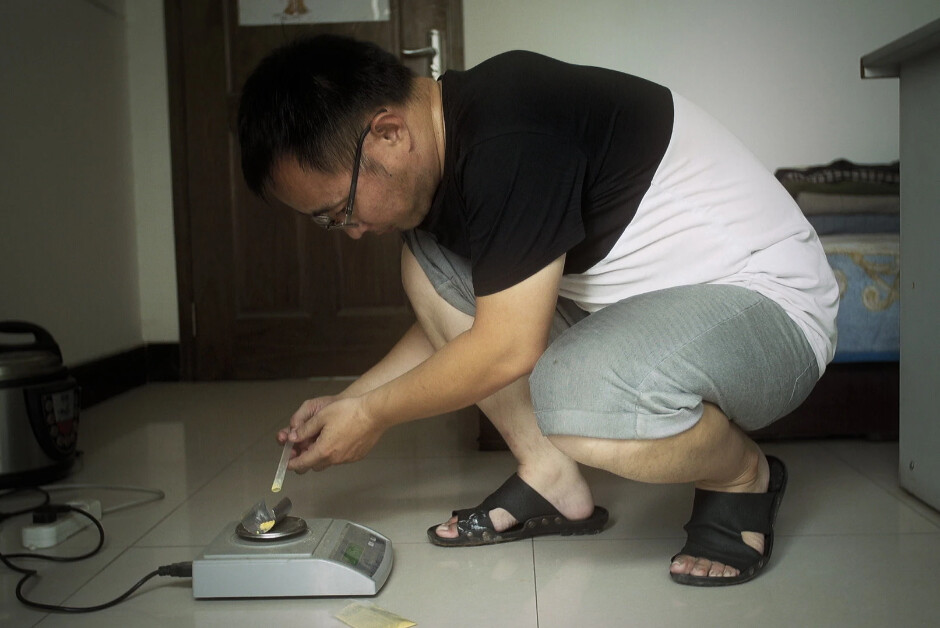
Synthesizing drugs in a cooking kitchen is usually reserved for dangerous drug dealers or characters in the popular crime/drama show 'Breaking Bad.'  Although, in China, last November, the New York Times reported on the shortage of drugs which has driven those desperate for medications to resort to drug synthesis in kitchen's (as shown above) and described below:


Zhang Zhejun used a fat plastic straw to gently tap the pale yellow pharmaceutical powder onto a piece of silver foil that lay on an electronic scale. He made sure the amount was just right before he poured it into a clear capsule.
When you’re making cancer drugs at home, the measurements must be precise.
Mr. Zhang has no medical experience and no background in making drugs professionally. He did this out of desperation. His mother suffered from lung cancer and required expensive drugs that China’s ambitious but troubled health care system couldn’t provide.
He was aware of the risks. The drug he was making hadn’t been approved by regulators in China or the United States. Mr. Zhang had bought the raw ingredients online, but he wasn’t sure from whom, or whether they were even real.


As described in the article cited above, the prices of medications are driven by a crisis in health insurance coverage in China.  Since drugs have been synthesized in the kitchen by many around the world over decades (illegally I might add), one is left to wonder with the advances in technology, how far off are we from synthesizing drugs in a kitchen?  Why would I ask such a question?


As technology increases in the pharmaceutical sector along with advancing nanotechnology, the prospect of making pharmaceutical (drugs) might soon be possible from within your kitchen. What?  Yes, you heard me correctly.  Until a few days ago, I was unaware of the fact of the possibility also.  I was catching up on old blog posts on the National Institutes of Health website.  Specifically, the Director of the National Institutes of Health personal blog site -- which is awesome I might add.


After reading the blog post discussed below, I remembered the article cited above from the New York Times.  I just had to connect the two for a blog post.  And here we are.  According to the Director's blog page for the National Institutes of Health, new research and emerging technology called Integrated Scalable Cyto-Technology (InSCyT) as described below:


Today, vaccines and other protein-based biologic drugs are typically made in large, dedicated manufacturing facilities. But that doesn’t always fit the need, and it could one day change. A team of researchers has engineered a miniaturized biopharmaceutical “factory” that could fit on a dining room table and produce hundreds to thousands of doses of a needed treatment in about three days.
As published recently in the journal Nature Biotechnology, this on-demand manufacturing system is called Integrated Scalable Cyto-Technology (InSCyT). It is fully automated and can be readily reconfigured to produce virtually any approved or experimental vaccine, hormone, replacement enzyme, antibody, or other biopharmaceutical. With further improvements and testing, InSCyT promises to give researchers and health care providers easy access to specialty biologics needed to treat rare diseases, as well as treatments for combating infectious disease outbreaks in remote towns or villages around the globe.
In today’s commercial manufacturing facilities, biologic therapies used to treat cancer, cardiovascular disease, and many other disorders are made in huge vats, in which harmless bacteria, yeast, or mammalian cells churn out large quantities of a single product. But researchers, led by NIH grantee J. Christopher Love, Massachusetts Institute of Technology (MIT), Cambridge, have recognized a growing need to design a new kind of manufacturing system, capable of producing a wide variety of clinical-grade products on an as-needed basis.


Dr. Collins continues on in the blog post to describe the simple 3-step modular process: Production, Purification, and Formulation.  The three module system is interconnected and as described in the introduction could potentially fit onto a kitchen or dining room table.  Currently, the researchers were able to produce (synthesize) Human Growth Hormone (HGH).  Of course, this was due to the extensive knowledge surrounding HGH by the scientific community.


Other synthetic compounds were listed.  Typical process development times are at around 12 weeks to fully develop a process for medication.  The amount of doses possible to synthesize in a given week are an astounding 100.  Yes, with this modular set up, the prospect of synthesizing 100 doses in a single week is supposedly being reported.


Currently, the process is composed of plastic bottles, vials, and instruments linked with plastic tubing.  In the future, researchers hope to make the system more user-friendly for the non-chemist in the house.  Does this research line up with where we are as a society?


Shows like 'Breaking Bad' tells us that synthesis is dangerous but a potentially profitable business if you are willing to take the risk.  On the flip side, if the residents in the United States were confronting the crisis in resourcing their medications like those in China are, where are we left to be?  Add to that, the changing academic landscape which is moving more courses from a traditional lecture based room to an online platform - such as "MOOC" - Massive Open Online Courses.


A cursory search for home ready lab class kits reveal a couple of contenders.  First up is a company called "Hands On Labs."  Shown below is an overview video of the product/platform:


The company has been successfully providing lab experiments to universities and people from 1994.  Of course, that is not to say that 'Hands On Labs" has been shipping chemistry labs to individual houses for instruction since 1994.  Individual shipping has kept pace with the development of the 'Massive Open Online Course' platform.  More and more universities are leaning or being nudged to adopt a version of this curricula as technology improves and education changes.  Visit 'Hands On Labs' website for greater detail.


Next up is a competitor company is 'Carolina Biological Supply Company' with a website filled with kits ready for purchase and soon to be shipped immediately after.  Here is an introductory video shown below:


The company was founded by professors as indicated on their 'Wikipedia' page.  For those interested in looking into greater detail into Carolina Biological Supply Company, access their website by clicking here or their YouTube Channel by clicking here.  The range of experiments and samples offered by these companies really gives a person a sense that the university is rapidly disappearing. Not so...at least for the moment.


There still exists a large array of common experiments which cannot be 'outsourced' to an individual's home for self application.  Hazardous chemicals which work extremely well in certain synthetic routes still need to be professionally handled by trained staff members at the university.  Although, one could argue that the production of such kits is great for one reason alone.  Production of laboratory kits with experiments which illustrate principles taught in first and second year chemistry course will improve science overall.  What do I mean by this?


As the world changes toward more sustainable living conditions, corporations will eventually have to find 'greener' substitutes for harsher (corrosive) chemicals.  Products from companies listed above give us hope that the transition is already being considered.  Any shipped chemistry experiment has the potential to turn a kitchen or workspace inside a house into a disaster zone if improperly handled.  Therefore, the researchers/producers of such kits need to consider every possible misuse of their products by the average user.


In turn, this discovery/consideration forms the impetus for a transition inside of corporations to change toward more environmentally friendly chemicals in their commercial synthesis.  Lab kits like those above are exciting and show the range of possibilities when good scientists put their thinking caps on and think critically toward alternatives which are safe for the consumer and safe for the environment.  Hopefully, no American resident finds himself/herself in a position as described in the New York Times article above -- synthesizing medication in their kitchen out of necessity.  Although, if they do, at least commercial products which have been introduced above will provide a platform for success.


Related Blog Posts:


Scientific Evidence Points To Dangerous Chemicals Associated With Vaping


 How much nicotine is in a bottle of e-liquid? Is the level toxic?


EPA Administrator Nominee Andrew Wheeler's Opening Statement - Confirmation Hearing!


NIDA Director Nora Volkow: How Health Communicators and Journalists Can Help Replace Stigma with Science


What is the next big step in Mental Health Research?


Thursday, January 31, 2019

Parameters: Role of 'Stress Gene' revealed in relation to Chronic Pain


Chronic pain is a problem which many Americans currently live with.  Further, chronic pain management has led to the uprising of increased opioid use in the last few decades.  Which has become a major problem.  Especially, with regard to the unusually large amount of pain managing medication illegally entering the United States -- such as 'Fentanyl' -- which can be read about here.  With pain management in mind, researchers have been searching endlessly for a cure or treatment which will reduce addiction issues.  A possible solution might just have been found.  In the blog post below, the new research is highlighted.


Chronic Pain?


According to recent research unveiled a few months ago in a brief blog post on Director Dr. Francis Collin's web page on the National Institutes of Health's website, the new method stands to improve pain management which arises from stressful/traumatic events as described below:


For most people, pain eventually fades away as an injury heals. But for others, the pain persists beyond the initial healing and becomes chronic, hanging on for weeks, months, or even years. Now, we may have uncovered an answer to help explain why: subtle differences in a gene that controls how the body responds to stress.
In a recent study of more than 1,600 people injured in traffic accidents, researchers discovered that individuals with a certain variant in a stress-controlling gene, called FKBP5, were more likely to develop chronic pain than those with other variants [1]. These findings may point to new non-addictive strategies for preventing or controlling chronic pain, and underscore the importance of NIH-funded research for tackling our nation’s opioid overuse crisis.
The research team, led by Samuel McLean at the University of North Carolina, Chapel Hill, first found evidence of an association between the FKBP5 gene and chronic pain in 2013 [2]. Those studies of about 1,000 white men and women found at least six different FKBP5 variants. They also showed that each variant could be used to predict the severity of a person’s pain after a car accident or other trauma. In fact, those who carried one particular gene variant, the less common DNA spelling at a location called rs3800373, were especially prone to chronic pain long after the traumatic event.


That is promising news, but what about other races, ethnicities, and cultures?  Are the results just as promising for those populations too?  Actually, yes.  Again, from the Director's web page:


In the follow-up study now reported in the Journal of Neuroscience, the team took advantage of the recently completed NIH-funded Project CRASH . This multi-state project evaluated the recovery process of more than 1,600 white and black Americans who were seen in an emergency room within 24 hours of a traffic accident [1]. Each study participant provided a blood sample and answered questions about their pain just after the crash and then again six weeks later. The researchers also received permission to review data from participants’ medical records detailing the nature of their injuries and treatment.

The new evidence confirms that people who carry the pain-susceptibility variant at rs3800373 are more likely to develop chronic pain after a trauma. That’s true across gender and in people regardless of their race. Though the frequency of this variant is still unclear, the researchers estimate that about 33 percent of Americans have it.


Great.  When can we expect a drug? Where do people with chronic pain go to now?  What methods exist for those who suffer from chronic pain?


With opioid use at an all time high, other methods are being sought out to reduce chronic pain among those who suffer.  Alternative methods include: physical therapy, yoga, mind-body therapies, complementary methods (acupuncture, meditation, etc.), and medical interventions.


For more information regarding the management of chronic pain, visit either: (1) Harvard Health and/or (2) WebMd.  Keep checking back to see updates on the research listed above regarding new technology/research surrounding the treatment of chronic pain.


Related Blog Posts:


How many people would be killed if 1,485 pounds of Fentanyl were distributed onto the streets in the U.S.?


NIDA Director Nora Volkow: How Health Communicators and Journalists Can Help Replace Stigma with Science


What is the next big step in Mental Health Research?


Want To Improve Science Communication: Add Artists!


Should you consider science while before voting next Tuesday?


NIAID Director Anthony Fauci: How Should We Communicate About Crises?


NIH Director Francis Collins Makes A Statement Regarding Sexual Harassment In Science


Ralph Nader: Warner Slack - Doctor for the People Forever


Saturday, October 20, 2018

White Blood Cells in action destroying Cancer Cells!


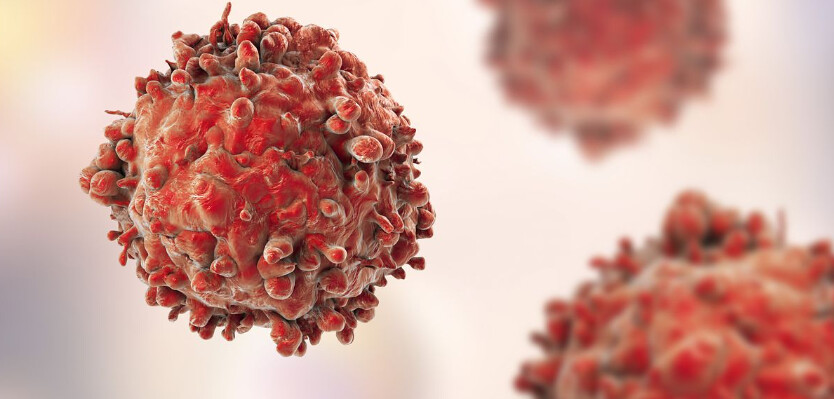
Cancer is a nasty disease.  Cells which have been hijacked are out of control of the human system and are under the control of the cancer.  If a single cell were out of control, then the body's natural immune system would kill the cancerous cell.  The cells in the body responsible for doing so are the white blood cells.  Specifically, the cytotoxic T cells as introduced by Wikipedia page as follows:


A cytotoxic T cell (also known as TC, cytotoxic T lymphocyte, CTL, T-killer cell, cytolytic T cell, CD8+ T-cell or killer T cell) is a T lymphocyte (a type of white blood cell) that kills cancer cells, cells that are infected (particularly with viruses), or cells that are damaged in other ways.
Most cytotoxic T cells express T-cell receptors (TCRs) that can recognize a specific antigen. An antigen is a molecule capable of stimulating an immune response, and is often produced by cancer cells or viruses. Antigens inside a cell are bound to class I MHC molecules, and brought to the surface of the cell by the class I MHC molecule, where they can be recognized by the T cell. If the TCR is specific for that antigen, it binds to the complex of the class I MHC molecule and the antigen, and the T cell destroys the cell.
In order for the TCR to bind to the class I MHC molecule, the former must be accompanied by a glycoprotein called CD8, which binds to the constant portion of the class I MHC molecule. Therefore, these T cells are called CD8+ T cells.


What does this recognition and destroying process look like in real time?  Here is a short video (less than a minute in length) outlining the process with animation:


Nice - right?  With the progress that has been made, one would naturally wonder why cancer has not been eradicated all together.  The short answer is that there are many different forms of cancer.  Cancer is dynamic and constantly changing up to overcome destruction and prevention.  Although, some cancers have been successfully eliminated.


This is a short stop (brief post) in a complicated disease and topic to cover.  In future posts, more will be said of research being conducted to eliminate cancers and successful efforts along with failures.  Failures are really not failures, but learning steps in the path of understanding how different cancers arise, take over cells, and successfully evolve to avoid destruction.  That is a broad overview of the problem.  Of course, when we consider that each person is unique in their genetic make up, then the consideration of cancer (as a disease) becomes even more exponentially more complicated.  With that being said, the work toward understanding and overcoming the disease is worth every step taken in science -- research and discovery.  More to come on this fascinating and terrible disease.


Related Blog Posts:


A Virtual Tour Of A Human Cell?


A Virtual Tour Of A Plant Cell? Really?


NIAID Director Anthony Fauci: How Should We Communicate About Crises?


NIH Director Francis Collins Makes A Statement Regarding Sexual Harassment In Science


National Institutes of Health - Anti-Sexual Harassment Web site


National Science Foundation Sexual Harassment of Women Study


Thoughts: What Does National Institute of Health Director Francis Collins get asked in front of Congress?


Parameters: What is the 'mission' of the National Institute for Aging?


NIH Director Updates Congress On Research Progress


Dr. Francis Collins and Bill Gates Discuss Global Health And Genomics


How Much Do New Drugs Cost To Bring To The Pharmacy Counter?


Is Disease Or Treatment Different In Women?


Unraveling The Resistance Of Antibiotics!


How Do Chemists Discover New Drugs? A Brief Introduction!


Saturday, August 25, 2018

Ralph Nader: Warner Slack - Doctor for the People Forever


Have you ever been frustrated while trying to access your medical records?  Considering the abundance of medical records sitting in doctors' offices across the world, why has there not been a system (or systems) devised to give patients the access that is necessary to calm their minds.  Further, why have those same records not been 'anonymized' and made available to medical researchers to gather data across a greater patient population that could result in better medical care -- i.e. better medicine?  Surely, one of the many great physicians over the past few decades have conceived of such a system -- especially with the rise of technology is society.  In the blog post below, the iconic activist Ralph Nader introduces us to his good friend -- Dr. Warner Slack -- who passed away recently.  Dr. Warner Slack is one such physician who not only conceived of such a system, but worked tirelessly to advance the medical field to implement Electronic Health Records.


Electronic Health Records?


'Big Data' is a hot topic today.  The field of data mining with computers is taking on a new role from analyzing 'likes' on social media platforms to analyzing large data sets of pharmaceutical companies over the research and discovery of a new potential drug.  Which is why Electronic Health Records would be transformative for society and Dr. Warner Slack is honored for his ambitious pursuit over the decades as highlighted below in Ralph Nader's letter.  But first, let's take a step back and realize why having access to health records would make our lives better in the future.


In order to design a more effective drug, pharmaceutical companies need more information on the reactivity (i.e. efficacy, side-effects, costs, etc.) of a certain drug.  As I pointed out in the original post on drug discovery in an earlier post (over a year ago - here), the cost is tremendous -- around $1 billion dollars to bring the drug to market place over the course of 20 years.  Yes I said the process takes up to 20 years to get the drug from the university to the marketplace.  This covers the range of costs associated with discovery to patent through clinical trials -- which is no easy task.


Remember as I point out in an earlier post, the target (drug target) is discovered at the university level.  From there the drug target is tested against a wide variety of patented or proprietary test targets from a given pharmaceutical company. If a suitable match is found -- meaning a drug (or medicine) from a company is found to hit the target. Then the pharmaceutical company may be willing to take the drug to market - through clinical trials.  During clinical trials, the drug is tested on a specific population (limited but verifiable to U.S. standards).  Last but not least, the real 'data' on the drug comes from years of testing the drug in various doctors' offices across the world.  Which is why the data that is dispersed throughout the world could be fed back to the pharmaceutical company to optimize (refine or make a better) the drug which was brought to the market place.


People do not realize that as patients, they are testing the efficacy of the newly released medicine too.


Why are we still using a paper-based system of keeping track of patient's health rather than electronic health records?  At first sight, the answer might be related to the complexity with the whole process.  We are talking about hundreds of millions of patients just inside the United States -- not to mention other countries.  Or different countries might choose to use different file types which might not compatible across large populations to mine for researchers.


Global medicine is a topic among the upper echelons of the government and can be read about here.  Race, ethnicity, culture, and gender are increasingly important considerations when looking for effective and reliable treatment options for a given disease.  The more information we have to work with, the better the outcome.  Dr. Warner Slack has made this realization an issue which society has been forced to deal with and embrace in the pursuit of personalized medicine.  Don't take my word for it, read the letter below along with the cited article at the end of the letter about the wide range of Dr. Warner Slack's accomplishment for people during his career in medicine.


Without further ado, here is the letter written by Ralph Nader about his good friend -- Dr. Warner Slack shown below:


Warner Slack was a humble, multi-faceted great American physician at Harvard Medical School’s affiliated hospitals. Yet after he passed away last month at age 85, Dr. Slack did not receive the news coverage accorded numerous late entertainers, athletes, writers and scoundrels. In fact, his life was ignored by the Boston Globe, New York Times and the Washington Post.
Dr. Slack, in his pioneering, brilliant humane work, always focused on the lives of the American people whom he served in the millions, directly and indirectly.
It has been said that in a celebrity culture, we honor whom we value. Along the way the most important human beings who give us the blessings of liberty, justice, health, safety, knowledge and overall well-being mostly are missed or slighted by the priorities of a commercially driven culture. These people lift up our society every day on their largely anonymous, selfless shoulders.
In his final days, struggling with pulmonary fibrosis, I called Dr. Slack to express my deepest admiration and said: “For all your adult life, Warner, you have been a physician’s physician, a patient’s physician, a student’s physician, a citizen’s physician, and a champion of peace and justice.” This gentle, many-splendored medical doctor achieved such excellence in an age of specialization and amorality.
Dr. Sidney Wolfe, the nationally known long time director of Public Citizen’s Health Research Group, called Warner “a hero of mine.”
Just what did Warner Slack do to receive such encomiums? First, he was an early vocal medical practitioner who supported universal health insurance, when few were urging such humanity. He was among the first physicians in the world to see and apply the potential of computers in healthcare delivery but declared that advances mattered only if they advanced patients’ wellbeing. He insisted on patients being informed, on being empowered, and he led the way from his clinical practice in ending the absurdity of prohibiting patients from accessing their own medical records. Over the opposition of most of his profession and hospitals, he pressed on until this basic patient right was enacted as part of the Health Insurance Portability and Accountability Act.
Dr. Slack founded the Division of Clinical Computing from which flowed many professional articles and studies including prescient warnings about how computers misused can invade patients’ privacy and waste a ton of taxpayer money. He also pointed out that mindless converting from paper records to digital records might ill-serve the patients.
Once in a rare while, we meet relentlessly honest and courageous people who instinctively and cognitively see through the ruses, the snares and the delusions, and the profiteering propaganda that harm innocent, trusting people in so many grave ways.
Unlike many innovators, who bask in the limelight of praise, Dr. Slack humbly kept at it pressing for how his breakthroughs could actually benefit patients and not be hijacked for the all-mighty dollar. Human beings were never to be reduced to numbers.
As his son, author Charlie Slack wrote:
[Warner Slack’s] article “The Patient’s Right to Decide,” published in the British journal The Lancet, put forth a then-radical idea of “patient power”—encouraging patients and physicians alike to overturn the traditionally paternalistic nature of healthcare. Patients, Dr. Slack believed, should play a crucial part in determining their own care. Their insight, he often said, was “the least utilized resource in healthcare.
As an original thinker, a visionary, and a rigorous conveyer of medical ethics and responsibility to the hundreds of young clinicians he mentored or trained, Dr. Slack, maintained his steadfastness with a remarkable congeniality and the human touch.
In pain and hospitalized for weeks, he never complained. His demeanor and continual regard for the orderlies, nurses, and physicians, who took loving care of him, revealed his authentic character.
An early inchoate defender of the underdog, he was among the first physicians to publically oppose the Vietnam War, to go down South to help injured civil rights marchers, even working to help ease the integration of the University of Wisconsin football team. While in his seventies, he twice went to Honduras to provide medical assistance to residents of remote, impoverished villages.
A Princeton classmate of mine, Warner and I got to know each other better in 1980 when he and our Center independently issued tough critiques of multiple-choice standardized testing (SATs, etc.). As the author or co-author of many articles, book chapters, newspaper op-eds and books, such as Cybermedicine: How Computing Empowers Doctors and Patients for Better Health Care, Warner was very aware of phony studies, deceptive statistics, and other technical ways to manipulate persons.
Together with his colleague, Douglas Porter, he authored, in the Harvard Educational Review, the myth-busting article, “The Scholastic Aptitude Test: A Critical Appraisal.” They demonstrated that, contrary to ETS’s defiant assertions, aptitude was not frozen and its test scores could be raised by study and training for the tests. They also showed that SAT scores are poor predictors of college academic performance compared with high school grades.
Our study, “Reign of ETS: The Corporation That Makes Up Minds,” added that non-quantifiable traits, such as diligence, creativity, stamina, and even motivational idealism, can be more important as predictors of college performance.
This year, Warner’s critiques were further vindicated by the news that, joining some other colleges, the University of Chicago, has dropped these standardized tests as a requirement for admission.
Warner managed his interests and professional activities and duties without sacrificing being with his wife, Carolyn, their three children, and seven grandchildren. He relished these gatherings where he expressed his limitless curiosity about the world and continued to be, in Charlie’s words, “a person defined mainly by his youthfulness.”
Someone once said that “the only true aging is the erosion of one’s ideals.” No one who knew and worked with Warner viewed him as “elderly.” He couldn’t have been more contemporary and forward-looking with his classmates whenever they gathered for meetings regarding their unique alumni class organization—Princeton Project 55, which placed Princeton undergraduates and graduates with systemic civic groups around the country.
Dr. Slack was as complete a brainy, humane, down-to-earth, big picture human being as you could ever meet.
He left this life in Carolyn’s arms on the morning of their 62nd wedding anniversary.
His legacy is strong, deeply rooted in his many students and colleagues, and is lastingly conveyed in his writings and exemplary career, under pressure and controversy.
A biography of Warner Slack and his times needs to be written.


Conclusion...


Dr. Warner Slack has been hailed by others as the 'pioneer' of electronic health records.  Read here about his envision of artificial intelligence and computers playing transformative role in medicine.  With the rise of technology coupled with Dr. Warner Slack's vision, we have arrived at pursuits toward precision medicine like "All of Us" trial being conducted by the National Institutes of Health.  In the future, we will thank heroes like Dr. Warner Slack who have paved the way toward a better understanding of health by giving access (and better care) to patients through making the data (medical records) available to both patients and researchers.  The future of medicine should be exciting through both participants eyes.  Thank you Dr. Warner Slack for your work.  And Thank you Ralph Nader for bringing our attention to lesser known heroes like Dr. Warner Slack.


Related Blog Posts:


NIH Director Updates Congress On Research Progress


Does your brain move throughout the day?


Parameters: Race, Ethnicity, and Gender Needed In Health Research


Ralph Nader: MAGA is really MADA?


Ralph Nader: Has Corruption Become Institutionalized?


Ralph Nader Says 10 Million People Could Change Healthcare Policy - That Few?


Ralph Nader Suggests To Consumers Reading 'Consumer Reports' Before Impulse Buying


Thoughts: Ralph Nader On A Cashless Economy


Ralph Nader Asks "Will the Federal Civil Service Defend Us?"


Activist Ralph Nader Gives Politicians Advice Post Hurricane Harvey


Activist Ralph Nader Calls To Each Pillar Of Society - A Call To Action.


Can One Community Organization Change Regional Transportation Habits?


Monday, July 23, 2018

Parameters: Race, Ethnicity, and Gender Needed In Health Research


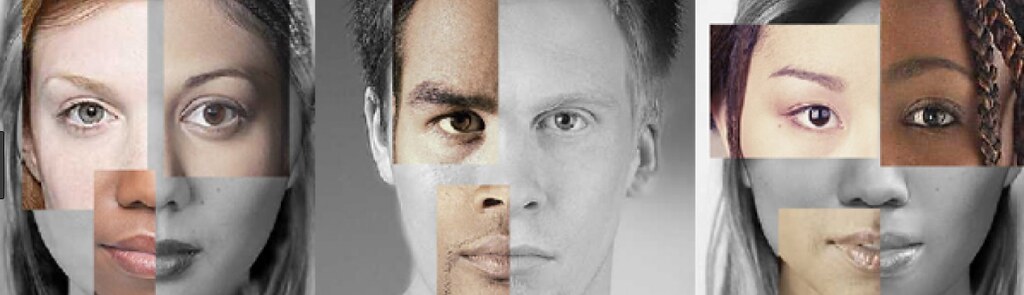
Are all humans the same?  The "same" in what way?  Let me rephrase my question: Do all humans respond the same way toward a given medical treatment? Based on historical accounts, the answer is a big NO.  Over the last few decades, medical research has advanced to a large extent.  Although, just now, researchers are realizing that differences in race, ethnicity, and gender play a greater role in treating diseases encountered in medicine.  This is quite surprising to me to say the least.


Recently, on the National Institutes of Health blog, a blog post appeared titled "Communicating the Value of Race and Ethnicity in Research" authored by Dr. Eliseo J. Pérez-Stable, M.D., Director, National Institute on Minority Health and Health Disparities.  He writes of the importance of the inclusion of research on different races, ethnicities, along with women.


Until recently, researchers assumed that what they learned about White male participants could be safely applied to anybody, regardless of gender, race, ethnicity or other variables. We now know that this isn’t true. When you’re communicating about research results, it’s vital not only to explain how a study was done, but who was being studied.
Unfortunately, racial and ethnic minorities experience more preventable diseases and poorer health outcomes—referred to as “health disparities (link is external)”—yet they are not included in research studies as often as White people are. This is true even though researchers who get NIH funding have been required since 1993 to report race, ethnicity, and gender of participants in their biomedical research. African Americans and Latinos make up 30% of the U.S. population but account for less than 10% of participants in genetic studies.  
We know now that when it comes to medical research, there is no standard or average human. No single group can truly represent us all. In fact, many differences have already been identified.
The FDA has approved drugs which were proven to be safe and effective for overwhelmingly White study participants. However, we found out later that these drugs do not necessarily work the same for minority populations. For example, clopidogrel, an anti-platelet drug, is no better than a placebo for 75% of Pacific Islanders who take it. The most common asthma-controlling medications were approved by the FDA based on how they performed in studies that included mostly White people. But later studies showed that they often don’t work as well for Puerto Ricans and African Americans, who have the highest rate and greatest severity of asthma. Carbamazepine, a drug used to treat seizures and nerve pain, is more likely to cause Stevens-Johnson syndrome in Asians than in other racial groups.
Despite the growing evidence that race and ethnicity play an important role in the risks for many diseases and responses to environmental exposures, my fellow researchers and I still devote much of our time to explaining why scientists should include more racial and ethnic minorities in their studies. Clinical research has the potential to help advance health for everyone. But for that to work, it must include people from all groups.
Clinical trials of diabetes medication should include Mexican Americans and Puerto Ricans—populations with high rates of diabetes. Prostate cancer trials would be remiss if they fail to enroll African American men, who are twice as likely as White men to be affected by and die from the disease.
Many studies do show differences in health outcomes between racial and ethnic groups. When we interpret these studies, we should also consider the underlying factors causing those discrepancies. At NIH’s National Institute on Minority Health and Health Disparities (NIMHD), we sponsor many researchers who study the various factors that influence health.
The easiest reaction to a study finding a health difference between, say, African Americans and White Americans might be to think the difference is due to something biological related to race. Sometimes there is a genetic element; for example, people of African descent are more likely to have high blood pressure and lung cancer (link is external). But we know that the health disparities experienced by minority populations can have many other causes. People of different races and ethnicities often grow up in different cultural environments, with diverse diets and health practices. Economic opportunity is not evenly distributed among all races, and different populations have unique histories that can contribute to health differences today. We can’t work to reduce these disparities if we don’t understand the mechanisms underlying them. To do that, our scientific research must include those groups that have historically been excluded or underrepresented.
The inclusion of minorities affects more than minority health and health disparities. It is also a question of social justice—and of good science. To be truly thorough and meaningful, our clinical studies must include diverse populations.
When you write about a study, consider who is included. Did ethnic and racial minorities participate in the study? If not, why not? If the study population is overwhelmingly White, you should be skeptical. If the researchers found differences between people of different populations, did they consider all the reasons why such differences can occur, or just jump to a conclusion that it must be because the races are biologically different? By asking these questions, we can help improve clinical research and ultimately help end health disparities.


I find the fact that traditional research was limited to that conducted on White males - to be very strange.  Although, in an earlier post on health outcomes in different genders, I have told the brief story about a professor who taught me the chemistry of polymers.  The story drives home a time that hopefully has passed in testing by pharmaceutical companies.


My polymer chemistry professor had previously worked in industry before returning to teach at a university.  He told a story of a time when he participated in 'drug trials' which were conducted in house before clinical trials for extra pay.  He participated as usual one weekend and found himself hanging on to a toilet -- vomiting -- all weekend.


Confused, but relieved to return to work, he was debriefed by the company about his experience taking the experimental medication.   He stated that he was nauseous all weekend.  The fellow employee at the company empathized with him.  Later in the interview, he asked what the intended purpose was for the experimental medication.  The answer was that the medication was a new experimental form of 'birth control' treatment.  No wonder he was sick all weekend.


Conclusion...


Why was he given a medication intended for a 15 year old girl? Or a woman?  Clearly, this story highlights another problematic dimension of the above change in the medical research community's best practices.  The need to test medication on the proper 'gender group' is extremely imperative.  Why would an experimental contraceptive treatment ever be given to a man?  Further, what conclusion can be drawn with such results?


With the above comments from Director Perez-Stable, definite changes need to be implemented as society moves forward in time.  The gigantic recent effort "All of Us" is a great place to start by collecting 1 million participants (of difference races, ethnicity's, and gender).  All of the data collected in this effort will shed light on differences which were previously unnoticed or unknown.  The future of medical research is exciting as scientists expand the dimensions of scope to include race, ethnicity, and gender in their search for better treatments and preventative measures for society.


Related Blog Posts:


 Is Disease Or Treatment Different In Women?


Thoughts: What Does National Institute of Health Director Francis Collins get asked in front of Congress?


"All Of Us" - The Best Medical Knowledge Update Effort - Please Join!


What Is Going On Inside That Cell?


How Do Scientists Think?


Parameters: 3D Printed Human Hearts?


Parameters: Obesity Short Circuit Discovered Leads To Overeating


NIH Director Updates Congress On Research Progress


Dr. Francis Collins and Bill Gates Discuss Global Health And Genomics


Why Not List Adverse Effects On Drug Labels?


World Health Organization Suggests More Funding For Antibiotic Resistance Research


Unraveling The Resistance Of Antibiotics!


Why Should You Study Chemistry?