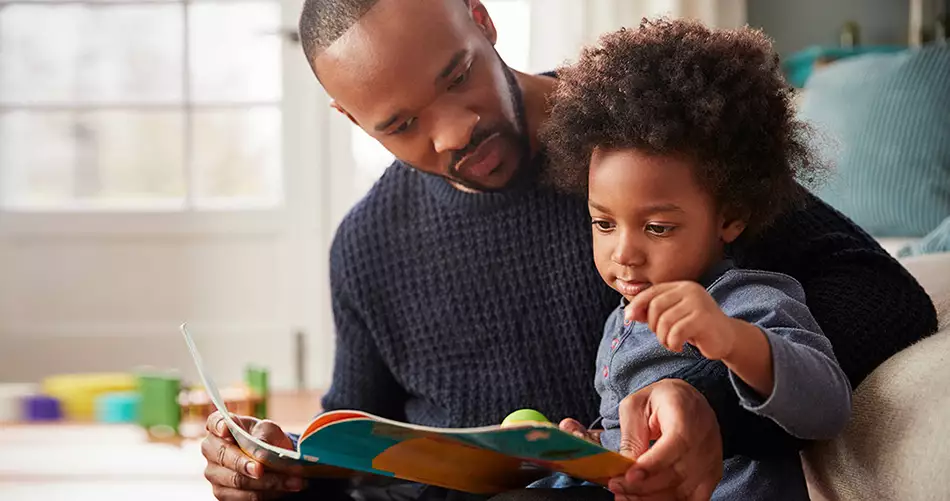
Photo: Jessup University
My goal as a father is simple to say, but hard to define: I want my child to grow up to be better than me.
I think about that goal every day.
What does better even mean? Smarter? Kinder? More successful? More confident? Less broken by the world than I sometimes feel?
Like most parents, I ask myself constant questions:
- What do I want to teach my child?
- What skills actually matter?
- Can I help him avoid the mistakes I made?
Maybe. But maybe not in the way I once thought.
The Myth of the Mistake-Free Life
For a long time, I believed good parenting meant protecting my child from the errors I made—wrong choices, wasted time, poor judgment, avoidable pain. But the older I get, the clearer something becomes:
Mistakes are unavoidable.
If my child doesn’t make the same mistakes I did, he will make different ones. And one day, he’ll look at his own child and think, “I hope you don’t repeat my mistakes.”
That isn’t failure. That’s life.
The real question isn’t whether our children will fail. It’s whether they’ll know what to do after they fail.
What Children Really Learn From Us
Children don’t learn most from what we say. They learn from how we live.
They watch how we handle frustration.
They notice how we treat people who disagree with us.
They hear how we talk about ourselves when things go wrong.
They are always watching, even when we think they aren’t.
One of the most powerful lessons we can teach is not perfection, but recovery:
- How to admit we were wrong
- How to apologize without excuses
- How to learn instead of becoming bitter
- How to try again without shame
If my child grows up believing that mistakes don’t define him—but how he responds to them does—then he’s already ahead of where I started.
Parenting in the Age of Noise
Raising a child today feels harder than ever.
Social media pulls at their attention, reshapes their values, and constantly tells them who they should be, what they should want, and how they should measure their worth. It often works directly against the patience, humility, and depth we want our children to develop.
We can’t out-lecture the internet.
But we can give our children something stronger than noise: identity.
A home where they are safe to ask questions.
A place where disagreement doesn’t equal rejection.
An environment where curiosity is encouraged and critical thinking is valued.
When children feel secure in who they are, the outside world loses some of its power to define them.
The Skills That Actually Matter
When I strip life down to its essentials, success doesn’t come from knowing everything. It comes from handling what you don’t know.
- The skills I want my child to learn aren’t flashy, but they are foundational:
- Emotional awareness instead of emotional avoidance
- Resilience instead of entitlement
- Delayed gratification instead of instant reward
- Problem-solving instead of blame
- Empathy without losing oneself
- Boundaries without cruelty
These skills don’t come from lectures. They come from lived experience—and from watching the adults in their lives model them imperfectly.
Letting My Child See Me Grow
One of the hardest lessons I’m still learning as a parent is this:
My child doesn’t need a flawless father.
He needs a growing one.
- When I admit I handled something poorly…
- When I change my mind after learning more…
- When I say, “I’m still figuring this out”…
I’m not showing weakness. I’m showing him that growth doesn’t end with adulthood.
That lesson alone might be worth more than anything else I teach him.
A Simple Guiding Question
Whenever I feel lost as a parent, I return to one question:
What do I wish someone had helped me understand earlier in life?
Then I try to teach that—gently, honestly, and without pretending I have it all figured out.
Raising a child to be “better than me” doesn’t mean raising someone flawless. It means raising someone who can think, adapt, care, and recover.
And maybe, years from now, he’ll ask himself the same questions I do—hoping to give his child just a little more wisdom than he had at the start.
If that happens, I’ll know I did something right.

No comments:
Post a Comment